


Introduction to Muktinath Temple: A Sacred Pilgrimage in
the Himalayas
This religious site is located in the awe-inspiring Mustang
area in Nepal, which is among the most significant pilgrimage sites in South
Asia. It is found in the Himalayas at a height of about 3,800 meters above sea
level (12,467 feet). Both Hindus and Buddhists consider Muktinath Temple a
highly spiritual site. According to Hindu mythology, this place is considered a
religious site where people seek liberation from the cycle of rebirth and
reincarnation. On the other hand, for Buddhists, Muktinath is a site related to
compassion and enlightenment.
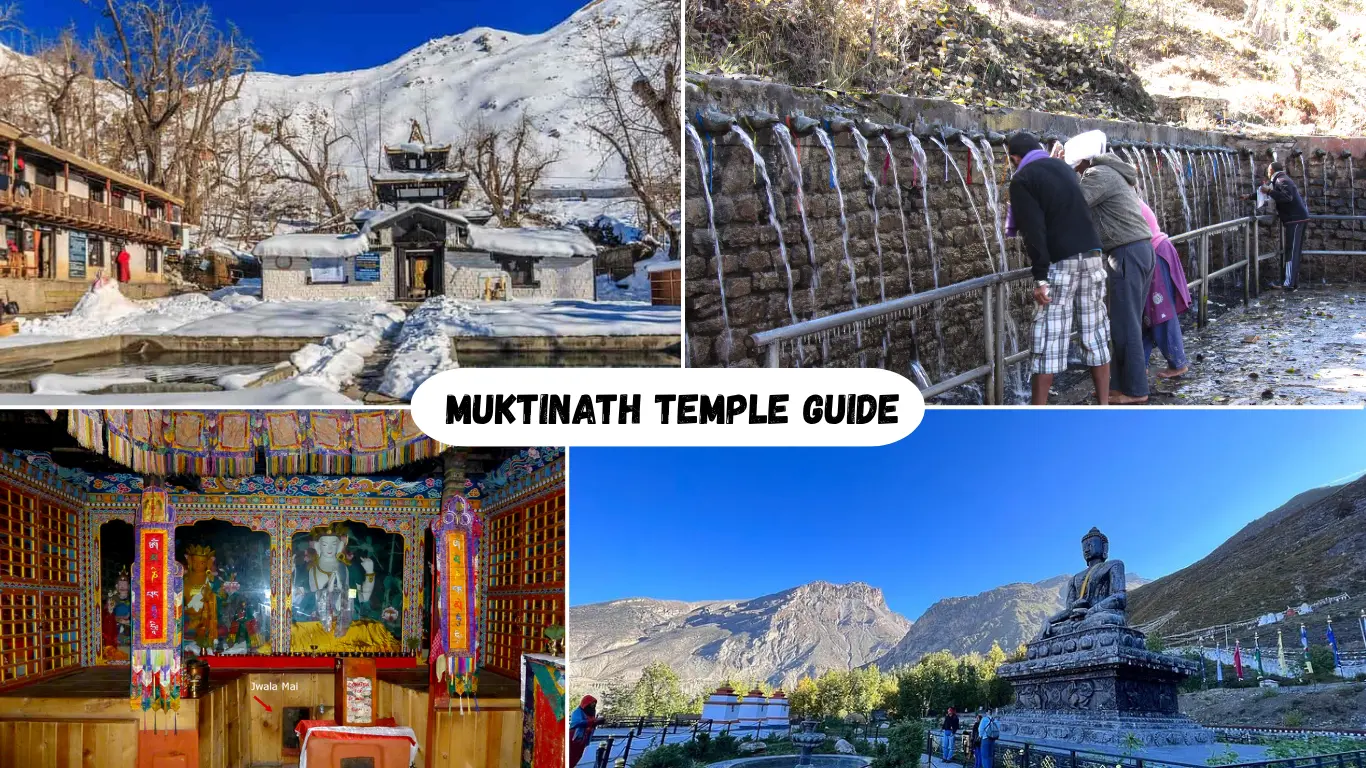
Apart from its spiritual significance, the Muktinath Temple
entices visitors with its natural and cultural features. The temple premises
house the famed 108 water spouts referred to as Muktidhara. Here, pilgrims
undergo a cleansing ceremony even as the cold, mountainous water flows down.
One of the notable aspects within the temple is the presence of an eternal fire,
which burns together with running water, reflecting the unity between nature
and spiritual elements.
Whether it is a spiritual trip, cultural experience, or
exploration of the high-altitude regions of Nepal, Muktinath Temple provides
you with an enriching experience. Having knowledge about the history,
spirituality, and practical information regarding Muktinath Temple will enable
you to enjoy your stay. This article discusses all aspects, including history,
significance, famous places to see, itineraries, and tips on traveling to
Muktinath.
The Spiritual Significance of Muktinath Temple for Hindus
and Buddhists
Situated at great heights within Nepal’s Mustang region, the
Muktinath Temple is one of the rare shrines in which Hinduism and Buddhism are
equally worshipped. Year after year, many devotees as well as tourists visit
this holy shrine of the Himalayan range to achieve spiritual peace, blessings,
and salvation. Located amid snowcapped mountains and a tranquil environment,
the shrine symbolizes harmony between two religions of antiquity. The religious
significance of the shrine, together with its traditional aspects, renders it
an attractive destination to visit.
·
This temple is one of the Divya Desams of the
108 temples dedicated to Lord Vishnu.
·
It is said that by visiting the temple and
worshiping at the shrine of Muktinath, Hindus can achieve moksha or liberation
from samsara.
·
The temple consists of the famous 108 water
spouts, wherein visitors can take a holy dip in order to wash away their sins.
·
The eternal fire is considered a natural wonder
in the temple because fire and water are combined, which represents a divine
miracle consisting of the five elements of nature.
·
Buddhists call the temple by another name,
namely Chumig Gyatsa, which means "Hundred Waters" and refers to
Padmasambhava (Guru Rinpoche).
·
According to Tibetan Buddhism, Muktinath is an
important location to meditate, practice compassion, and achieve enlightenment.
·
It is noteworthy that Muktinath represents a
unique coexistence of the two religions, where both Hinduism and Buddhism
peacefully exist side-by-side.
·
The position of Muktinath at around 3,800 meters
above sea level gives the spiritual tour another meaning since it is considered
an act of faith for those who undertake this difficult pilgrimage.
·
A number of people combine the visit to
Muktinath together with other destinations, including Pokhara, Jomsom, and the
holy river of Kali Gandaki, famous for its sacred Shaligrams.
The 108 Water Spouts: Meaning, Rituals, and Pilgrim Experience
The 108 water spouts, also referred to as Muktidhara, are the
most sacred sites within the Muktinath Temple. The water spouts have been
arranged in a semi-circle around the main temple, and they have been found to
be continuously releasing cold water from the Himalayan mountains. According to
Hindu mythology, the number 108 is considered to be very significant since it
stands for the completion of everything in life as well as the connection to
the divine as a way of achieving enlightenment. Being washed under the 108
water spouts is supposed to purify the individual spiritually and lead them to
achieve liberation from the cycle of rebirths.
The ritual of bathing from the 108 water spouts is a very
significant tradition at Muktinath Temple. Most people usually go to pray at
the temple first before proceeding to bathe in the spouts, even when the water
is very cold all year round. They also like to take a bath in the two ponds
that are referred to as Mukti Kunda in front of the temple. This ritual is done
with great dedication as the worshippers feel that it helps to cleanse their
sins and brings peace and blessings.
However, in the midst of the cool air of the mountains,
breathtaking vistas of the Himalayas, and the tranquil surroundings, there comes
a strong feeling of introspection and thankfulness. Even though the pilgrimage
may be quite challenging due to the presence of the cold water and the height
of the mountain, many people still consider the process quite rewarding. No
matter the reason for your visit, standing below the 108 water spouts makes
everything worth it and unforgettable.
The Eternal Flame at Muktinath: History, Mystery, and
Religious Importance
One of the most amazing things that can be seen at the
Muktinath Temple is the Eternal Flame, which is locally called Jwala Mai. The
flame is found within a small shrine located just beside the Muktinath Temple,
and it has been burning naturally for many years with the help of natural gas
emanating from below the ground. The most amazing thing about the eternal flame
is that it co-exists with running water, which makes it a very unique natural
wonder to both the pilgrims and the scientists.
The riddle of the Eternal Flame is the unique combination of
the three natural phenomena: fire, water, and natural gas found in one spot.
Though scientifically the explanation of the phenomenon is provided in the form
of naturally emitted gas that leads to fire, followers see it as a divine sign
showing the balance between natural elements. The combination of the natural
phenomenon and the spiritual side of the matter is the reason why the sacred
place has been preserved for so many years.
The Eternal Flame holds religious significance to both the
Hindus and the Buddhists. It is seen by the Hindus as being associated with the
divine spirit of Lord Vishnu, which makes it a representation of eternal life,
purity, and enlightenment. The Buddhists worship this place as part of the
spiritual geography of Chumig Gyatsa and view it as a sign of wisdom and the balancing
of nature. Several people take time to meditate around the shrine, light butter
lamps, and pray.
How to Reach Muktinath Temple: Routes and Transportation
option
A visit to the Muktinath Temple is an experience involving
amazing Himalayan scenery as well as the pilgrimage. The temple is found in the
Mustang district of Nepal and is located at a height of approximately 3,800
meters above sea level. The pilgrim has several options for reaching the
Muktinath Temple, based on cost, time, and choice of travel method. The journey
usually starts from Pokhara, and then moves on to Jomsom and finally Ranipauwa,
which is the last village prior to Muktinath Temple. Regardless of the mode of
transport chosen, air, land transport, jeeps, motorbikes, or even trekking,
amazing mountain scenery will greet you all along the way.
·
Kathmandu - Pokhara - Jomsom - Ranipauwa -
Muktinath Temple is the most popular route. Tourists may use a domestic flight
or tourist bus from Pokhara to Jomsom or travel to Jomsom by road, and then
move further to the temple.
·
Pokhara - Jomsom - Ranipauwa - Muktinath Temple
is the fastest route. With a quick flight to Jomsom, travelers get the
opportunity to save time and then drive a jeep and walk a bit to the temple.
·
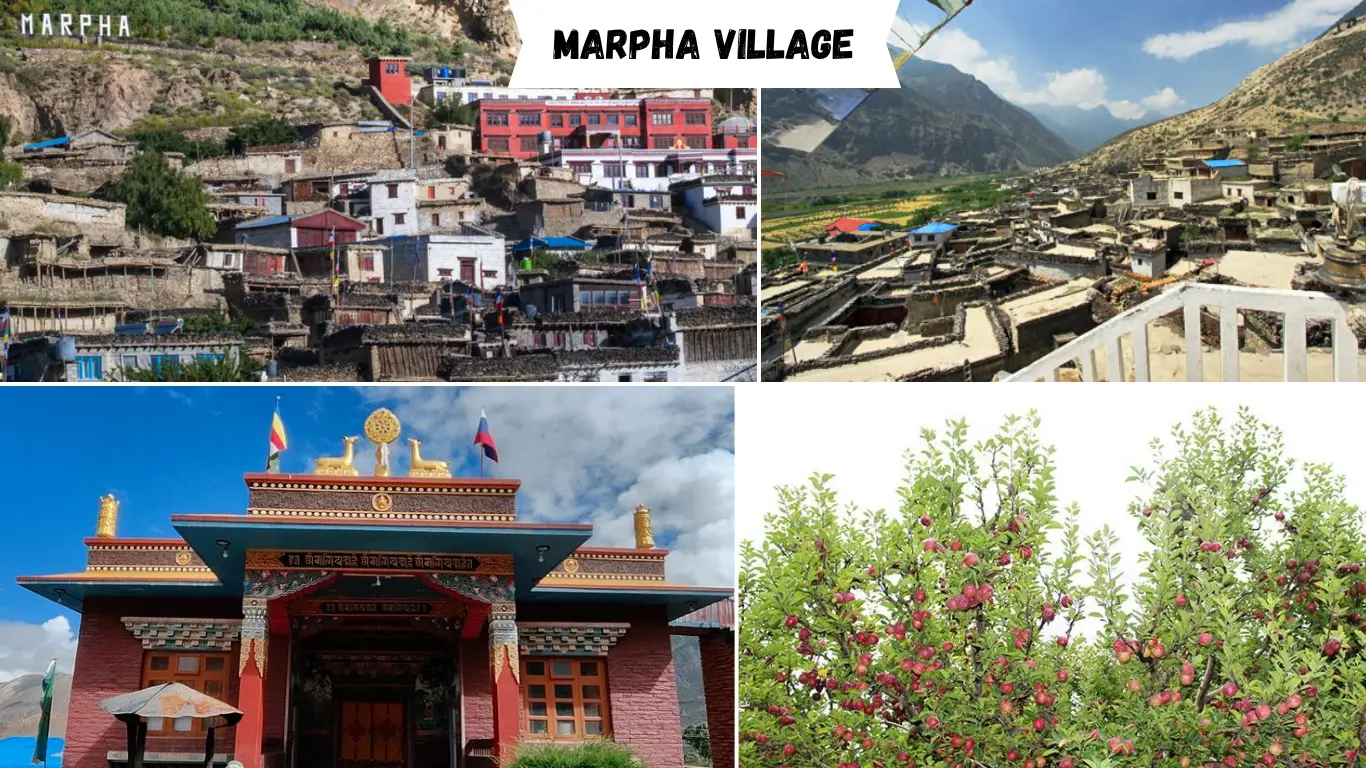
Pokhara - Beni - Tatopani - Ghasa - Marpha -
Jomsom - Ranipauwa - Muktinath Temple is the road route. The route allows
tourists to enjoy mountain views and local villages during their trip.
·
Jomsom - Ranipauwa - Muktinath Temple is the
shortest local route. Travelers residing in Jomsom can take a jeep, either
shared or private, and then walk to the temple.
·
Annapurna Circuit Trek - Muktinath Temple is the
best trekking route. This route allows tourists to combine the best-known
trekking routes in Nepal with a spiritual visit to Muktinath.
The options for getting to Namche include flights, tourist
vehicles, local vehicles, shared jeeps, private jeeps, motorcycles, or walking,
depending on how one prefers to travel. Flights offer convenience and save
time; road trips and walking give the traveler a more intimate encounter with
the Himalayas.
·
Airplanes flying from Pokhara to Jomsom
are the fastest means of transportation and are suited for people who have less
time.
·
Tourist buses run from Kathmandu to
Pokhara and provide a comfortable start to the trip.
·
Local buses can be considered an
economical means of transportation; however, the journey would take more time
and include rough roads through the mountains.
·
The jeep sharing is a preferred mode of
transport between Jomsom and Ranipauwa, and is commonly used by pilgrims and
tourists.
·
Private jeeps provide more comfort and
convenience for your own personal benefits.
·
Motorcycles are a preferred means of
transportation among adventure seekers who want to explore scenic routes in the
Mustang region.
·
Trekking will suit travelers who wish to
explore the Annapurna region and visit Muktinath.
Best Time to Visit Muktinath
Muktinath Temple can be visited all through the year; however,
depending on your preferences and weather conditions, the perfect time for your
visit can vary. Spring and autumn are known to be the best seasons due to the
favorable climate conditions with clear skies, moderate temperatures, and
scenic views of the Himalayan ranges. The summer season brings in beautiful
greenery along with occasional rains, and the winter season turns this place
into a snowy paradise.
·
Autumn (September to November): It is the most
preferred time to visit Muktinath Temple due to the stable weather, clear blue
sky, and good visibility of the mountain ranges such as Annapurna and
Dhaulagiri. The temperature ranges from 6°C to 17°C. The trails and roads are
in good condition at this time of year because the rainy season is over. The
moderate temperatures make it the perfect time for sightseeing, temple visits,
trekking, and photography. This period is also marked by some significant
Nepalese festivals such as Dashain and Tihar.
·
Spring (March to May): This season is also one
of the best times to tour the Muktinath temple, as there is comfortable
weather, blooming forests of rhododendrons, and magnificent views of the
Himalayas. It is 5° C to 18° C. The comfortable temperature range allows
tourists to easily tour the temple premises and reach the famous 108 water
spouts. The clear skies in the mornings enable tourists to admire the view of
the mountains and the beautiful surrounding environment. This is an ideal time
to visit for pilgrims, trekking enthusiasts, and nature lovers.
Essential Travel Tips and Temple Etiquette
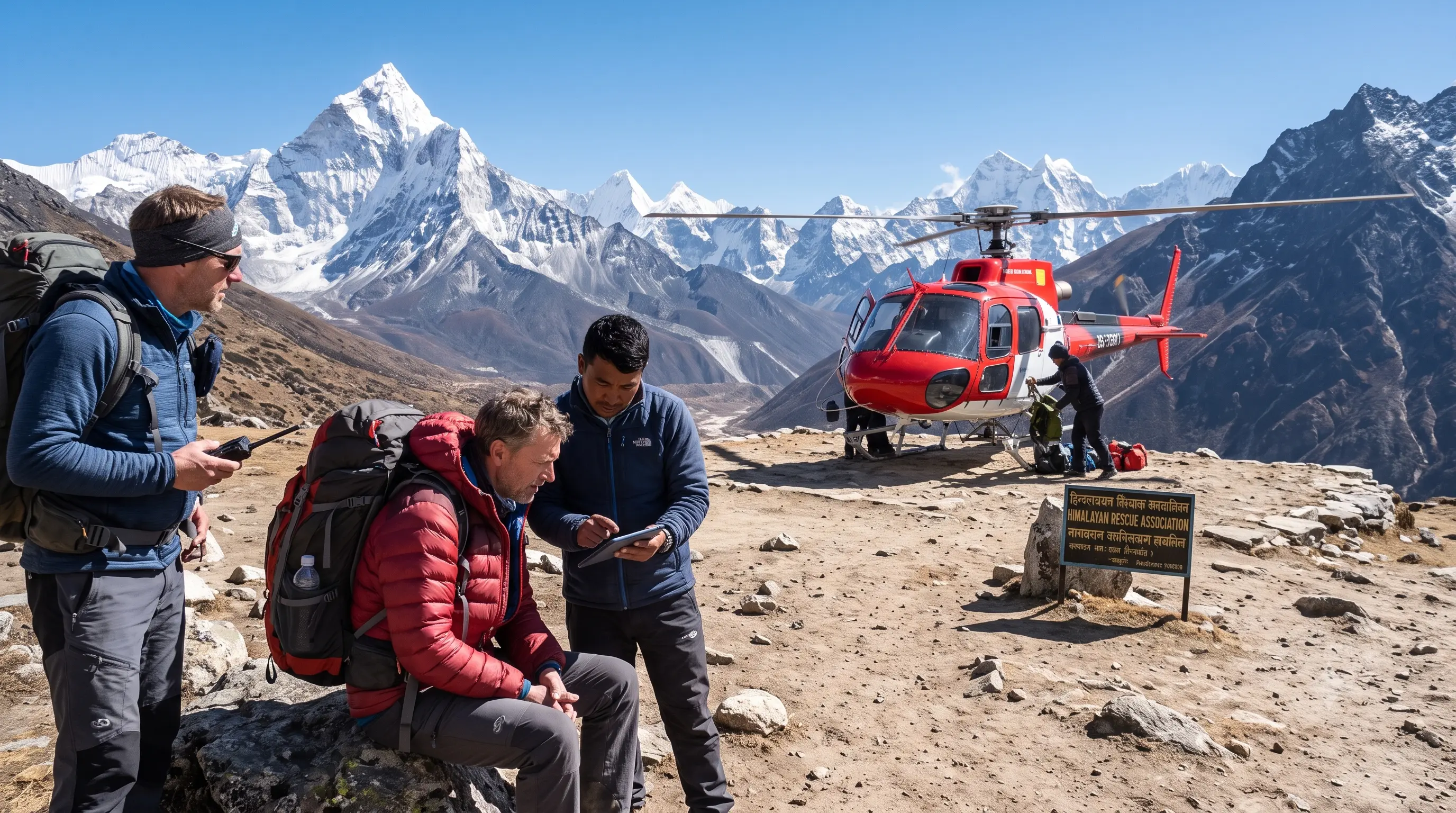
Muktinath Temple is not only a place of pilgrimage but also a
tourist destination high in the Himalayas. Therefore, being well prepared
before your visit is necessary. Whether you come to Muktinath for its religious
significance or just to see how beautiful this part of Nepal looks, some
practical tips will help you make your visit more convenient and safe. Since
the temple is situated at an altitude of about 3,800 meters, you need to be
ready for the changeable weather and the influence of the altitude on your
body.
·
Do not forget to carry some warm clothes despite
being in the spring or autumn season because the temperature can fluctuate
abruptly due to the height above sea level.
·
Take some time to acclimatize in Jomsom or other
areas if you are sensitive to high altitude in order to prevent altitude
sickness.
·
Put on comfortable walking shoes that have a
good grip since the path leading to the temple might be very uneven or
slippery.
·
Travel early in the morning, especially when you
are flying, as the weather in the mountains can change suddenly later in the
day.
·
Stay hydrated and also pack some light snacks if
you are trekking or traveling on roads.
·
We also advise you to dress appropriately with
proper modesty by wearing clothes that cover your shoulders and knees as a sign
of respect for the sacred place.
·
Take off your shoes before entering the main
temple as per instructions by the temple authorities.
·
Keep silent or talk quietly in the temple in
order to maintain a peaceful environment.
·
Ask for permission first before taking pictures
of the monks, priests, or other worshippers.
·
Respect ongoing ceremonies and do not disrupt
pilgrims when they are praying or participating in any other ritual.
·
Do not litter around the temple or surrounding
trails, and help keep the sacred environment clean by disposing of waste
responsibly.
·
Carry sufficient cash, as ATM facilities and
digital payment options are limited in the Mustang region.
Final Thoughts on Visiting Muktinath Temple
Going to Muktinath Temple isn’t just about visiting a famous
pilgrimage destination, but it’s an experience that you’ll never forget even
after your departure from the Himalayan region. The 108 sacred water spouts,
the Eternal Flame, and amazing views of mountains all contribute to the unique
combination of spirituality, culture, and scenic beauty of the temple. If you
are a devout pilgrim traveler wanting to gain the blessings of god or a
traveler who wants to visit one of the most exciting places in Nepal, you’re
bound to have an unforgettable experience at Muktinath Temple.
A journey to Muktinath is far more than reaching a
destination; it is an experience that combines natural beauty, spiritual
significance, and cultural discovery. Whether you travel by road, air, or trek
through the breathtaking landscapes of Mustang, every step offers unforgettable
views of charming villages and the magnificent Annapurna and Dhaulagiri
mountain ranges. Although the high-altitude location requires thoughtful
planning, the sense of peace and fulfillment that awaits at Muktinath makes the
journey truly worthwhile. Visitors leave not only with lasting memories but
also with a deeper appreciation of Nepal’s rich spiritual heritage and a
renewed sense of inner calm. If Muktinath is on your travel bucket list, now is
the perfect time to begin planning this remarkable pilgrimage and adventure.



Commentaires
post comment